

Ink, Fiber, and Mountain Air
Today we journey into “Letterpress and Bookbinding Studios of the Alps: Reviving Print in a Digital Age,” stepping through doors fragrant with linseed oil and damp paper, where snowy peaks frame windows and presses whisper through the valleys. Expect tactile proof that slowness still stuns: textured impressions, hand-sewn spines, and designers who translate pixels into palpable edges. Bring curiosity, warm gloves for winter shop visits, and a willingness to rediscover how craft invites attention, care, and lasting connection.
From Monastery Margins to Micro Studios
Imagine a scribe pausing to warm fingers near a brazier, then resume ruling lines that anticipate today’s meticulous makeready. Many Alpine studios trace routes through abbeys, alpine printers’ guilds, and itinerant typesetters who hauled cases of letters between valleys. Now, compact studios hum beside bakeries and tram lines, yet the continuum endures: disciplined pacing, reverence for margins, and the quiet conviction that slow craft cultivates clarity, generosity, and durable beauty under changing skies.
Machines That Outclimb Time
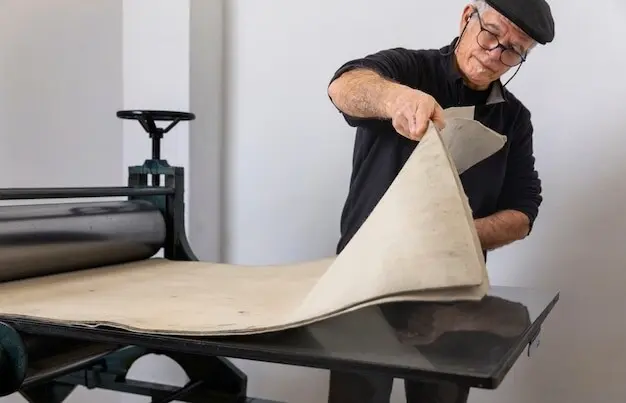
Heidelberg windmills cycle steadily like ski lifts, grippers clicking with mountain metronomy, while Vandercook proof presses reward patience and clean packing. Cast-iron frames absorb vibrations, delivering crisp relief that screens cannot simulate. Operators tune rollers, feel ink tack through fingertips, and listen for subtle changes when storms gather. Each press becomes a companion across seasons, its temperament as knowable as a favorite trail, and its output a map of deliberate force, alignment, and breath.
Digital Files, Analog Impressions
Vector curves travel from laptops to photopolymer plates, meeting tympan paper and gauge pins where light-born paths become pressure-born depth. Designers iterate on-screen, then surrender to the press’s honest feedback: overinked hairlines, faint serifs, shifting registration in dry mountain air. This hybrid fluency makes compromise creative rather than apologetic, teaching a rhythm where preflight checklists meet ink knives, and where beautiful variance—never sloppiness—offers readers a human cadence within precisely considered systems.
Paper, Ink, and the Altitude Factor
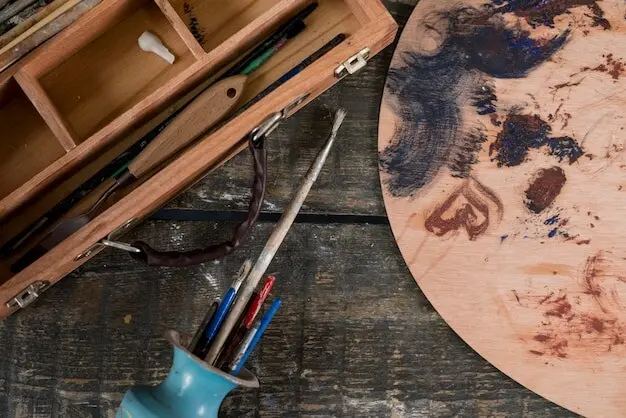
Mountain weather insists on respect. Paper swells or tightens with humidity changes that can arrive faster than a passing cloud’s shadow, while cool nights lengthen drying times just as spring sun accelerates them. Printers test stocks from cotton-rich sheets to sturdy alpine mills’ offerings, considering fiber direction, sizing, and tooth. Inks respond with quirks of tack and viscosity, demanding patience, warm rollers, or lighter coverage. Mastery here means listening closely to materials, forecasts, and instinct.
Bindings That Travel Well
Journals slip into rucksacks; sketchbooks rest on chalet tables; family albums wait on shelves shaped by fir and time. Bookbinders in the Alps design structures that tolerate hiking trails, fireplaces, and sudden sleet. They choose flexible spines, tested adhesives, and closures that forgive expansion. Stitching patterns echo switchbacks and bridges, distributing load evenly. Endpapers breathe without warping, boards stay true when valleys dampen, and the finished book asks to be handled, carried, and lived alongside mountains.
A Morning in a Sunlit Swiss Workshop
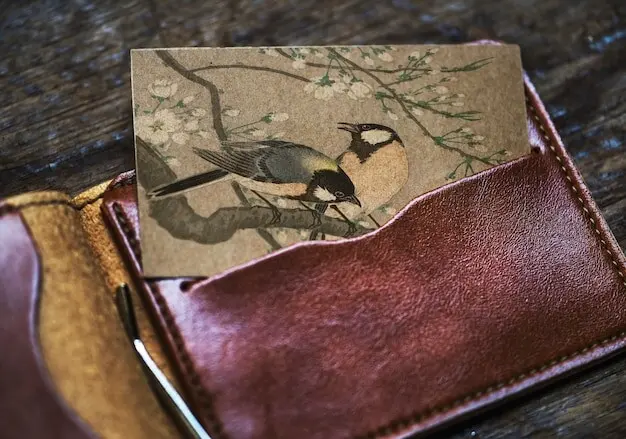
Light pours through big panes, catching floating fibers like snow flurries while a proof press advances with reliable calm. The printer aligns a polymer plate for a community concert poster, re-inking with tiny adjustments as a train whistles beyond. Coffee cools slowly beside ink knives; a neighbor drops off apples. When the final pull reveals sharp counters and balanced tone, everyone smiles, then sets the drying rack like neatly stacked firewood, radiating readiness and warmth.
Paper Trials Near a Bavarian Lake
A short drive from glimmering water, staff at a storied mill share stacks of trial sheets: cotton blends with mineral tints, textured felts echoing shoreline pebbles. Printers test impression depth and edge integrity, comparing deckles and bulk under changing light. Notes fill margins—dries overnight, likes cool rollers, resists show-through. Back at the studio, the chosen stock transforms a poetry chapbook, each page quietly cradling language while the cover emboss glints like afternoon sun across ripples.
An Evening Bindery in South Tyrol
As dusk folds into the valley, a binder finishes long-stitch notebooks commissioned by a mountain guide. Boards wrapped in wool-flecked cloth suggest granite speckle; closures nod to climbing slings. The stitch rhythm becomes meditative: pierce, pull, lay, tighten, breathe. A stove ticks. Snow begins. Each notebook opens flat, ready for contour lines, recipes, and orchard notes. Stamped on the back: a modest colophon celebrating shared labor, local hands, and innumerable small choices gathered into dependable grace.
Type Choices that Carry
Robust serifs with open counters hold detail in soft papers, while geometric sans can sing in wood type headlines. Moderated contrast resists ink spread, and slightly looser tracking preserves hairlines under impression. Designers adjust sizes for viewing distance, considering glove-wearing readers at winter markets. Ornaments and rules are restrained, letting the bite of type remain star. Proofs reveal truths quickly: where thicks bloat, where thins vanish, and where restraint makes space for unmistakable, welcoming voice.
Layouts that Invite Hands
Margins breathe like mountain meadows, guiding eyes and fingers. Shorter lines keep reading nimble; generous leading supports textured stocks. Duplexed covers counter warping; rounded corners prevent pack-snagging. Foil accents are placed where touch often lingers—thumb rests, spines, closures—balancing sparkle with sobriety. Designers rehearse handling moments: untying, unfolding, turning, pausing. Every transition matters, from first glance to last page. Clarity courts warmth, and the layout becomes choreography that your hands remember long after screens dim.
Bridging Print and Pixels Thoughtfully
Rather than compete with screens, printed pieces can collaborate with them. Thoughtfully placed QR codes link to studio playlists, process diaries, or sign-up pages for workshops and seasonal releases. Augmented notes reveal type histories; downloadable guides extend care instructions. Crucially, the print holds its own—legible, complete, and satisfying offline—while digital layers enrich context. This reciprocity respects attention, honors craft time, and helps small Alpine studios sustain relationships with readers across distances and changing seasons.
Community, Learning, and Sustainable Practice
What revives print here is not only process but people. Open studio days gather neighbors, hikers, and curious teens who trade phone flashes for ink smudges and fiber talk. Apprentices learn packing from mentors who learned from theirs. Citrus cleaners replace harsh solvents; offcuts become bookmarks for mountain libraries. Subscribers follow releases like weather reports, sending notes and feedback. If you are reading, you are invited—ask questions, share preferences, and help steer the next limited edition adventure.

Workshops that Welcome New Hands
Weekend classes cover handset type, plate prep, and safe press operation, with pacing generous enough for beginners yet spacious for returners pushing nuance. Bookbinding sessions focus on durable stitches and considerate repairs, sending people home with a field-ready notebook. Teachers emphasize documentation—ink recipes, humidity notes, and checklists—so learning survives beyond the bench. By graduation, participants carry proof pulls, a finished book, and a new patience that quickly travels into cooking, listening, and everyday decision-making.
Materials with a Lighter Footprint
Studios audit supplies like mountaineers audit packs: nothing unnecessary, everything repairable. They prefer renewable fibers, responsibly sourced boards, and inks with safer binders. Rags replace disposable towels; rag wash is reused thoughtfully; packaging right-sizes to protect without padding ego. Local mills reduce transport miles, and seasonal palettes align with available pigments. Even rejects become learning archives or charity notebooks. Sustainability feels pragmatic rather than performative—a series of small, sturdy choices that add up to credible stewardship.